YNM Editorial
YNM Safety Technical Team
Introduction
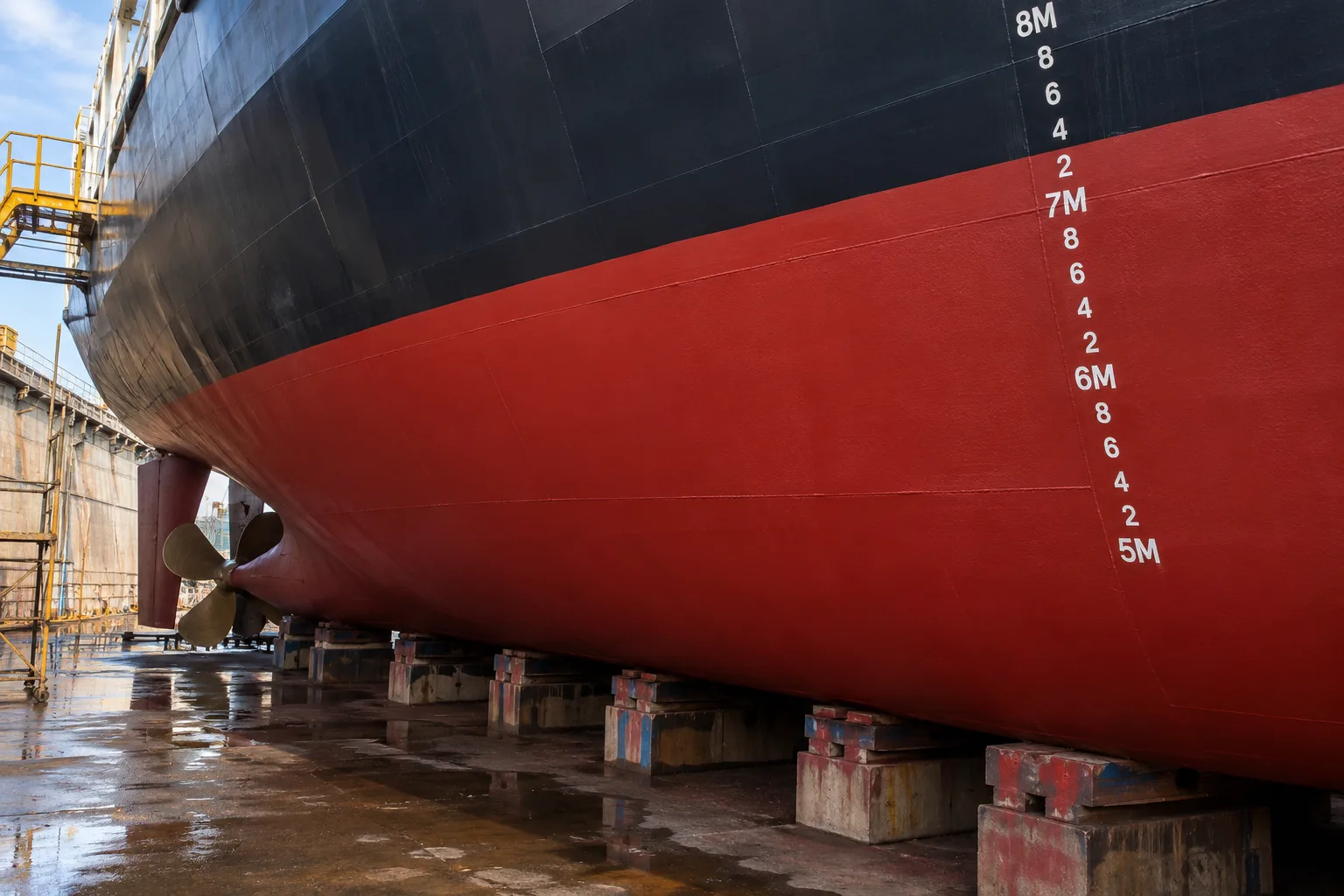
Antifouling is the coating for the underwater hull. Area and the vessel specification set the pack.
Why This Matters for Infrastructure Projects
Topsides paint and a chlorinated rubber system are not an underwater antifouling. The hull coat is specified for the time the vessel stays in the water and the scheme the dockyard already uses.
Key Considerations for Your Project
Selecting the right supplier is important for achieving long-lasting performance and reliable project delivery. Buyers should evaluate the following before finalising a vendor.
Product Quality
The coating is antifouling for the ship bottom. Boot-top and topsides stay on their own lines.
Manufacturing Capabilities
Packs are supplied from Hyderabad with the certificate the vessel file asks for.
Compliance with Industry Standards
Name the vessel specification and the scheme. Do not substitute Rubberised Chlorinated Paint for the underwater hull.
Supply Capacity
Wetted area sets the quantity. A rough underwater sketch is enough to start the quote.
Technical Support
We confirm the coat is the underwater antifouling, not the dry-dock steel coating.
Experience in Infrastructure Projects
Ship bottoms and underwater hulls are the only duty this page is for.
Common Applications
Solutions in this category are commonly used for:
Ship bottoms
Underwater hulls
Benefits of Working with Reliable Manufacturers
Choosing experienced manufacturers in India offers several advantages:
Hull antifouling, not a topsides paint
Quoted from wetted area
Kept separate from chlorinated rubber steel coatings
Certificate with the pack
Conclusion
See Antifouling and request a quotation with the vessel specification.
Need products for your project?
YNM Safety supplies four paints, four floorings and two parking marking paints across India and for export.
Get a quote