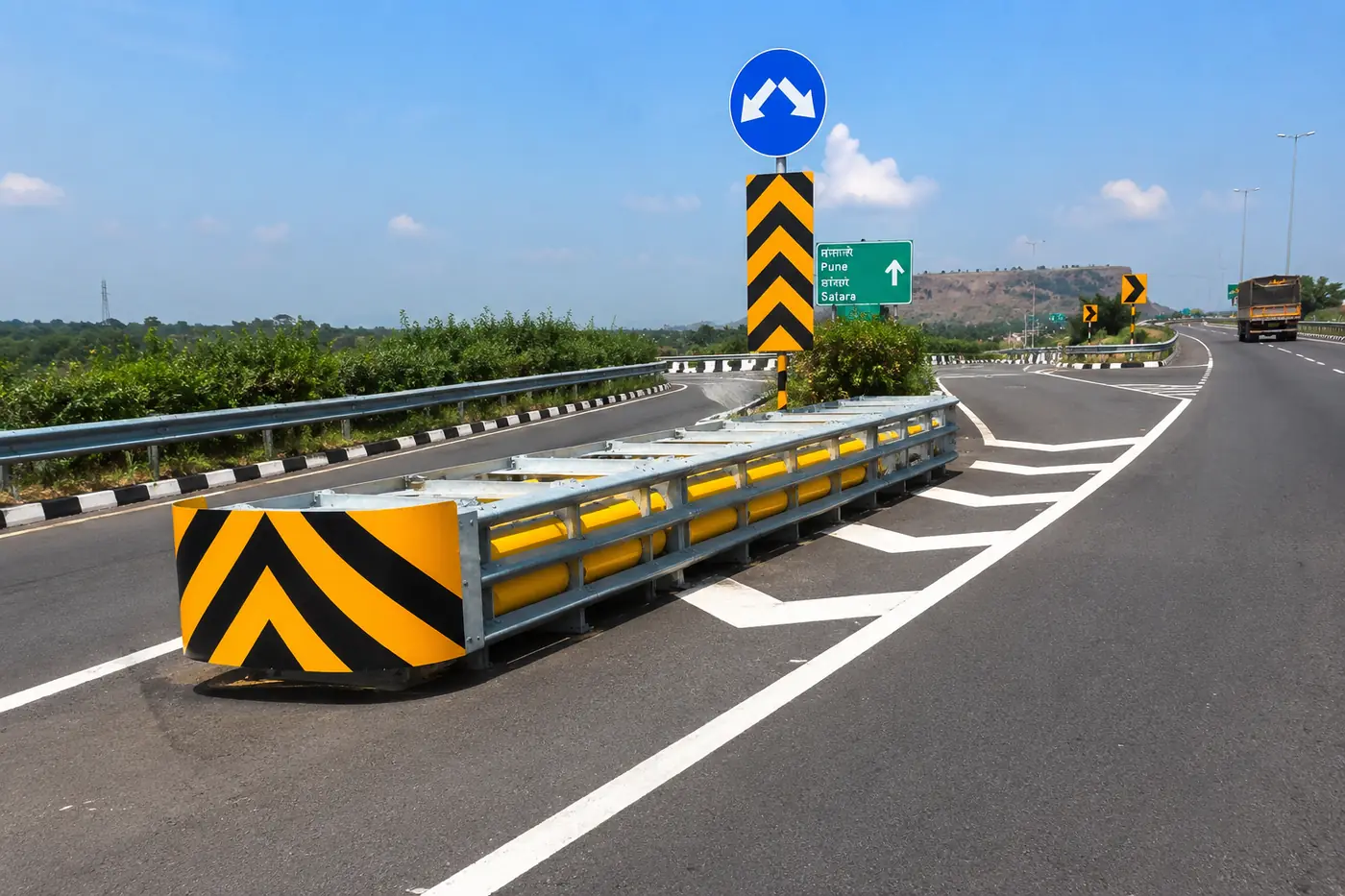
Highway Medians Double W Beam Manufacturers
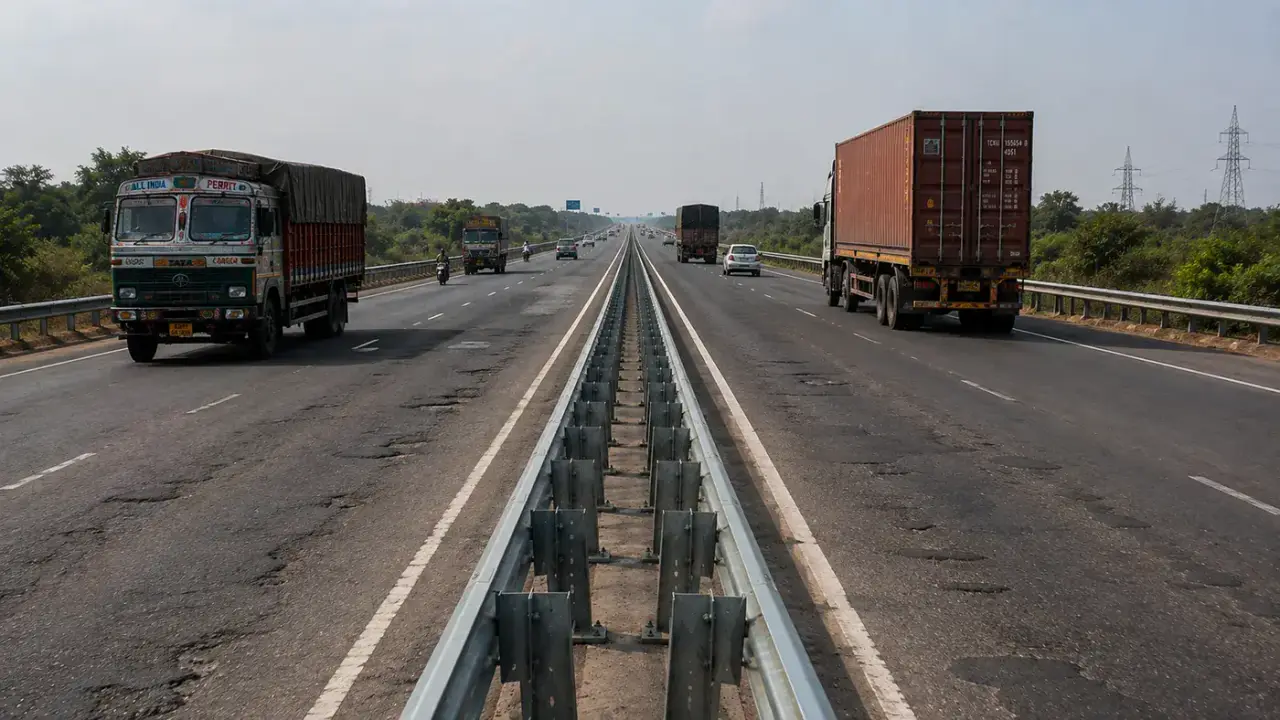
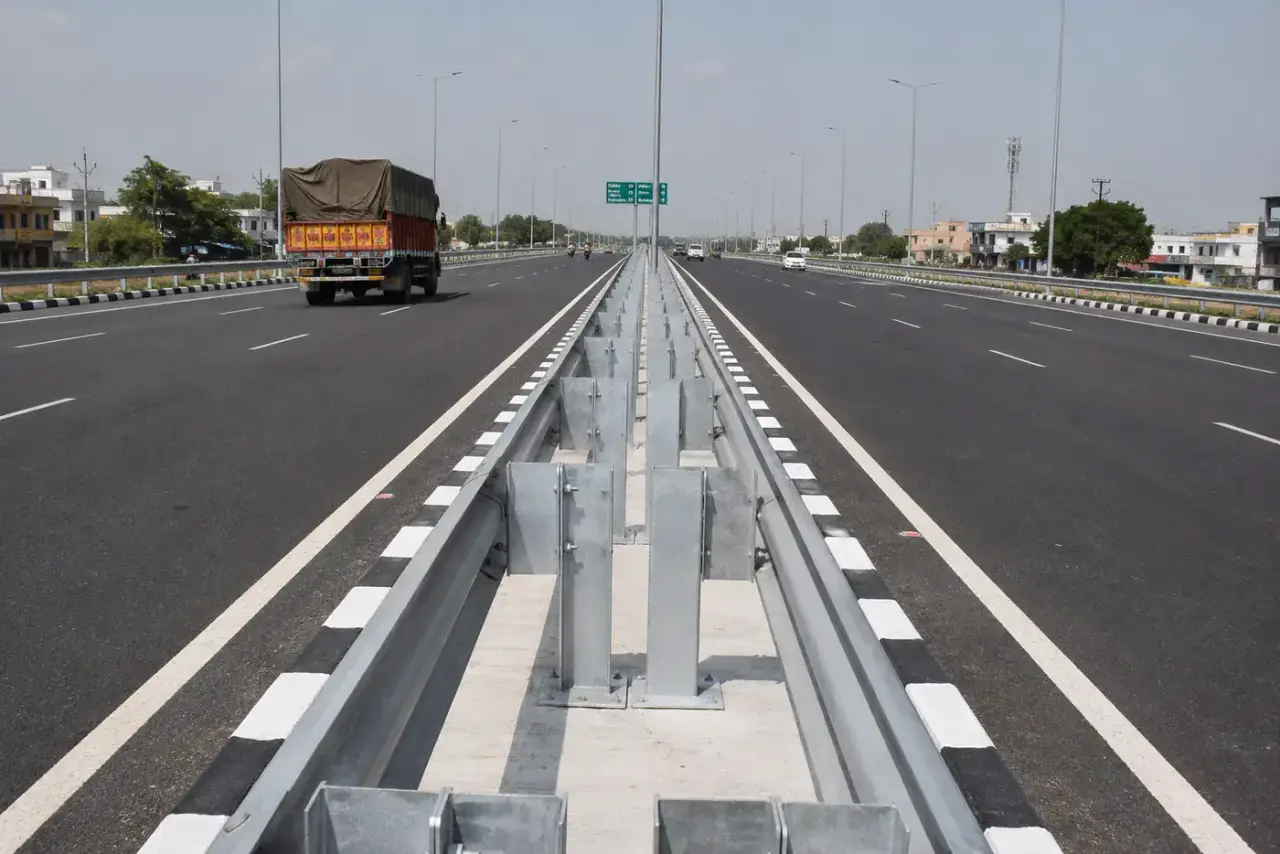
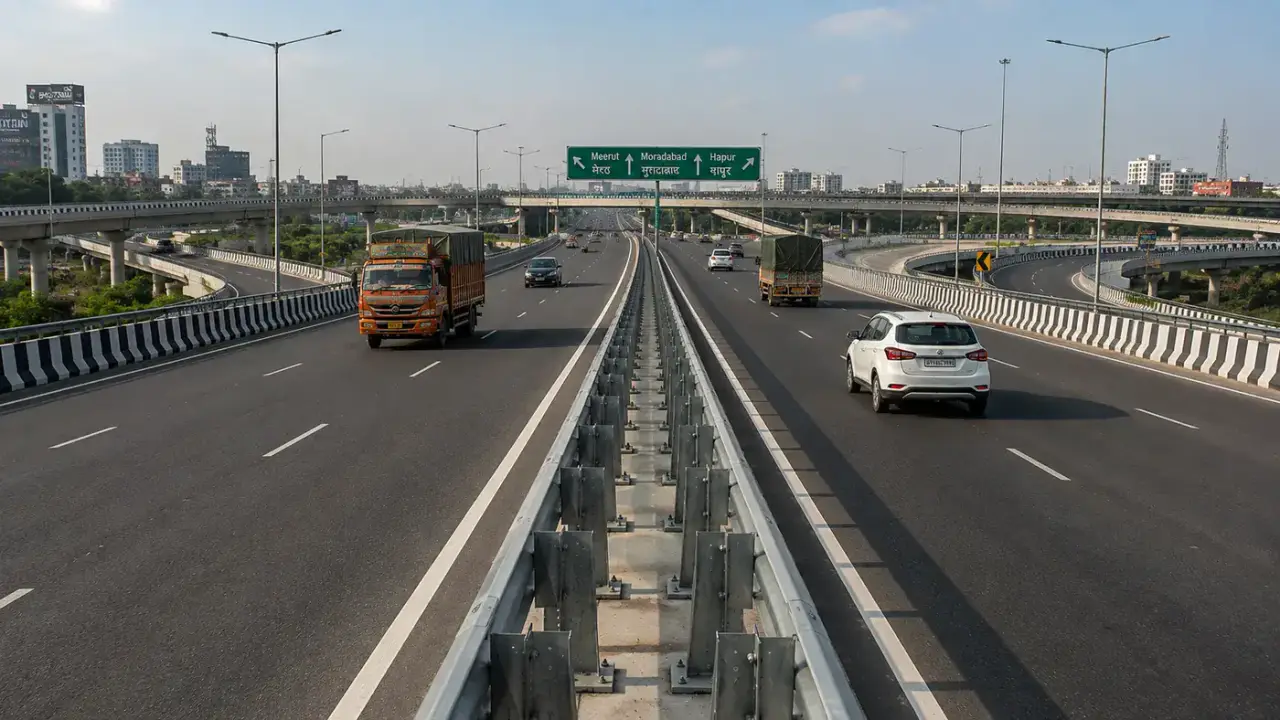
Central median protection on multi-lane highways.
Alternative names
- Central Median
- Central Reserve
- Road Divider

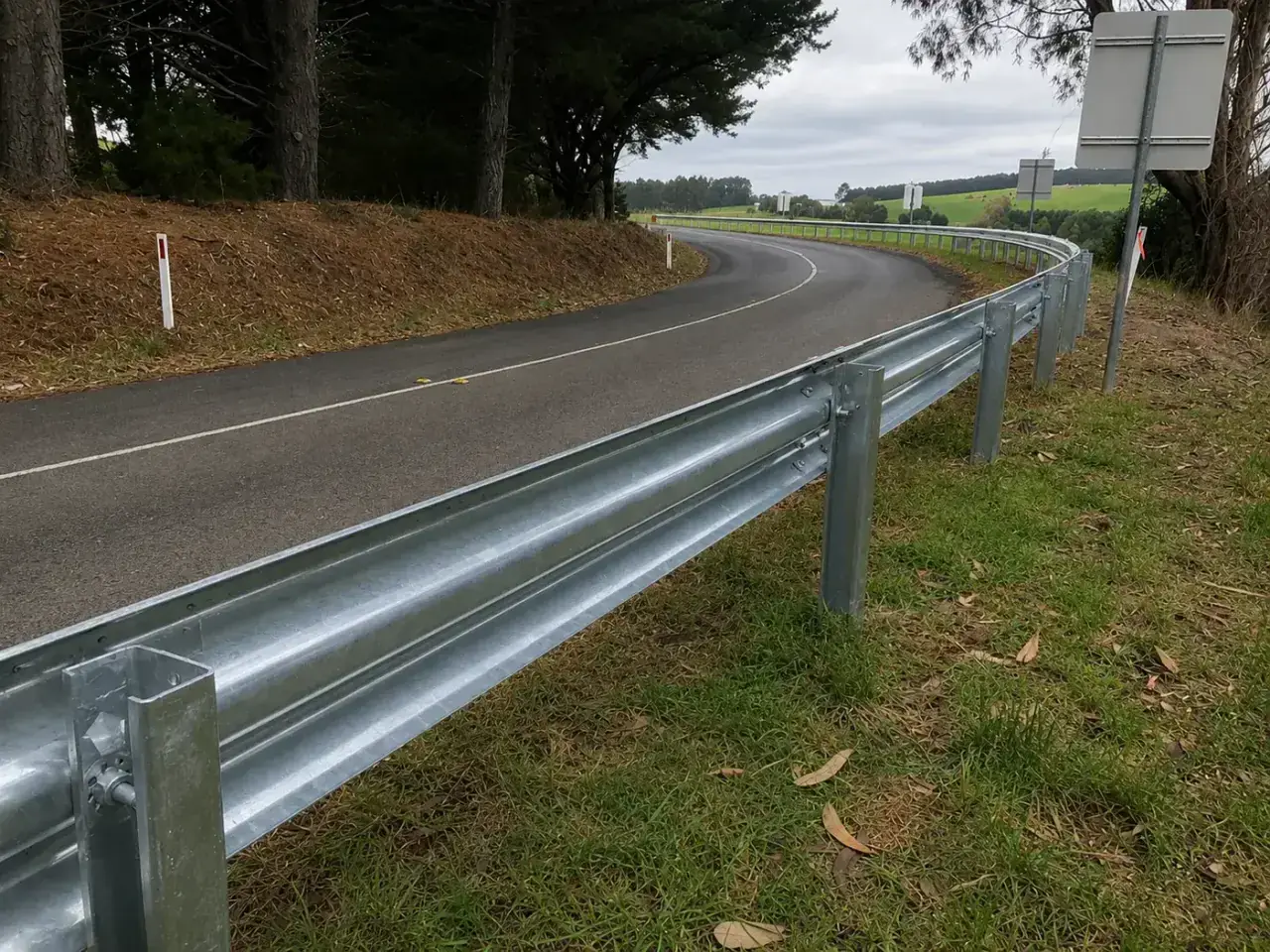
Double W beam crash barrier manufacturers — YNM Safety manufactures high-strength double W beam systems with superior impact resistance, durability, and enhanced road safety for global infrastructure projects.
| Parameter | Specification |
|---|---|
| Product Type | Double W Beam Crash Barrier |
| Material | High-Grade Galvanized Steel |
| Beam Thickness | 2.7 mm / 3.0 mm |
| Beam Width | 310 mm |
| Surface Finish | Hot Dip Galvanized |
| Coating Thickness | 550 – 610 GSM |
| Impact Absorption | High Energy Absorption |
| Design Life | 20 – 25 Years |
| Compliance | ISO 9001: 2015 |
| Application Area | Highways, Expressways, Bridges |
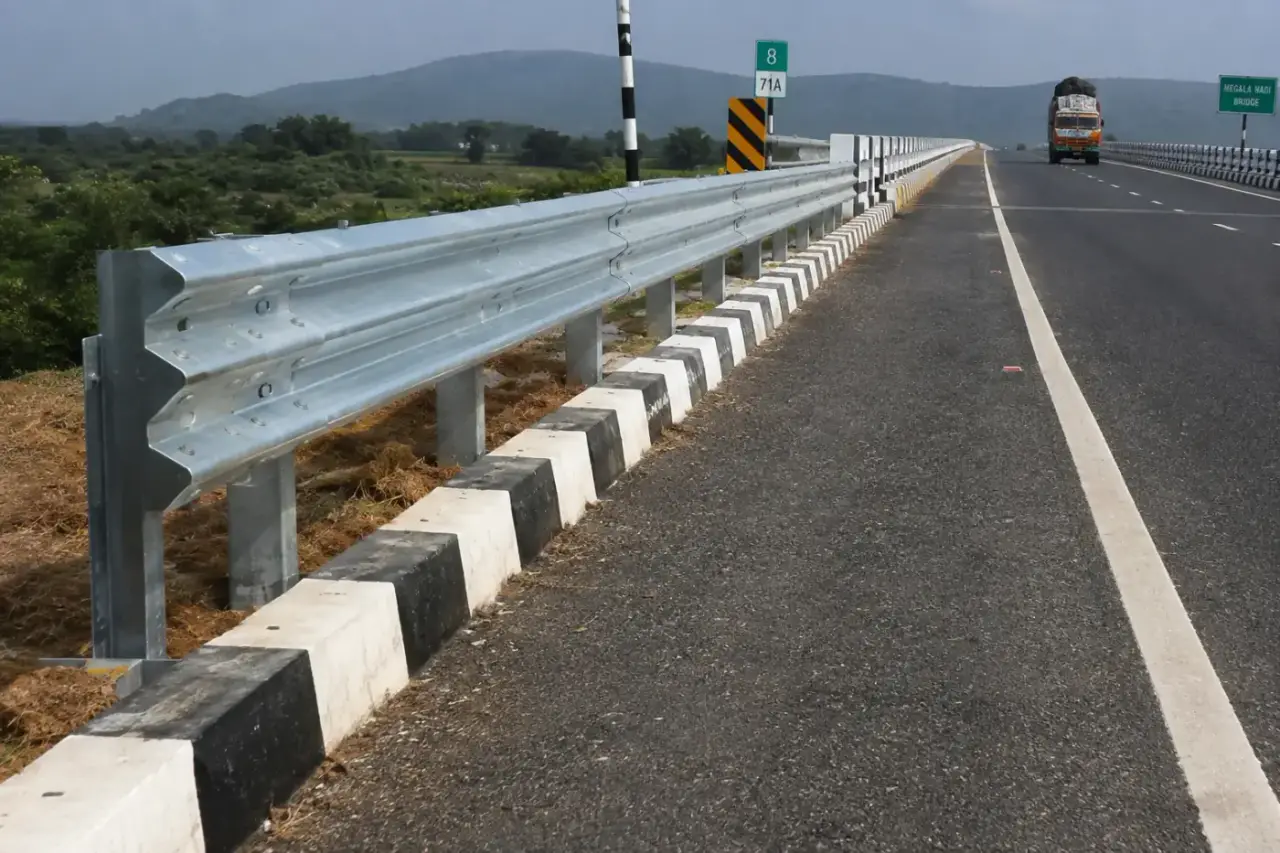
YNM Safety is one of the leading double W beam manufacturers, delivering robust and reliable metal beam crash barriers engineered for maximum road safety and long-term performance. As trusted YNM Safety manufacturers, our double W beam crash barriers are designed to absorb high-impact collisions, prevent vehicle crossovers, and reduce accident severity on highways and expressways. Manufactured using premium galvanized steel, our W beam barriers offer excellent corrosion resistance and structural strength. Our products are widely supplied to government projects, EPC contractors, and private infrastructure developers, making YNM Safety a preferred name among metal beam manufacturers and w beam barrier manufacturers across domestic and international markets.
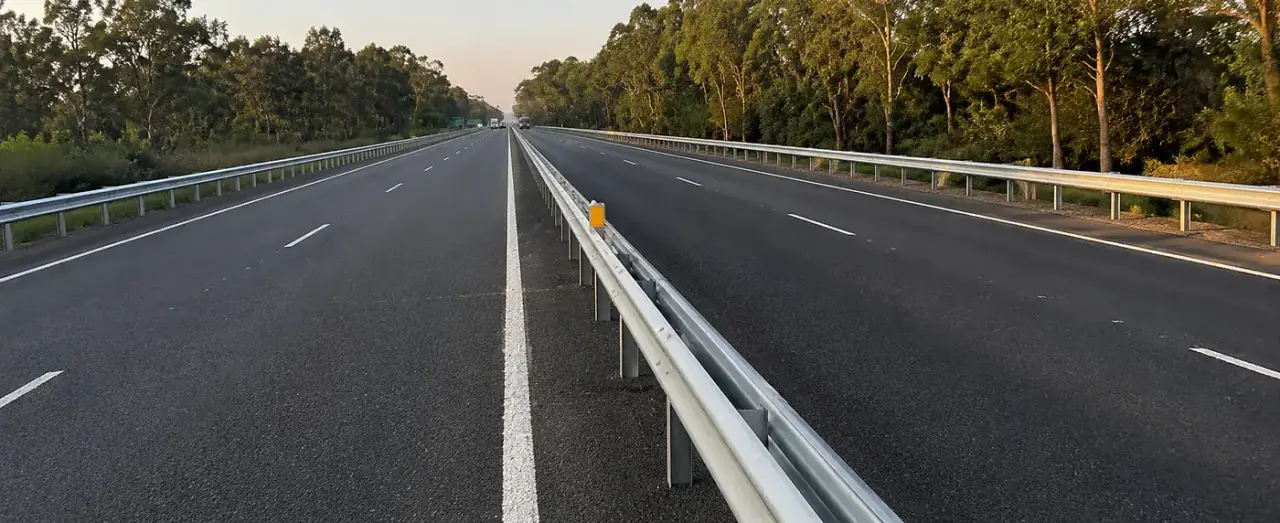
Complete product information including dimensions, origin, and manufacturing details
6 application areas — with alternative names from the global MBCB knowledge base.

Central median protection on multi-lane highways.
Alternative names

Divider protection on dual and divided carriageways.
Alternative names

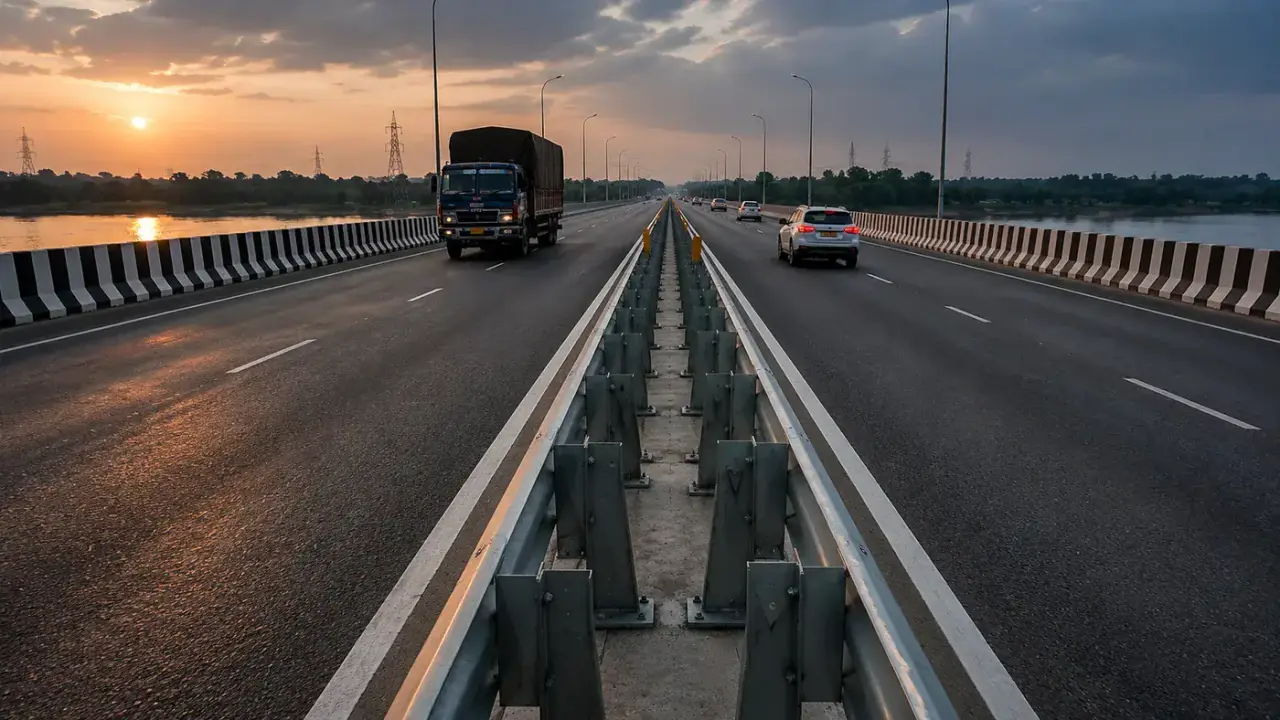
Centre-line median protection on bridges and elevated decks.
Alternative names

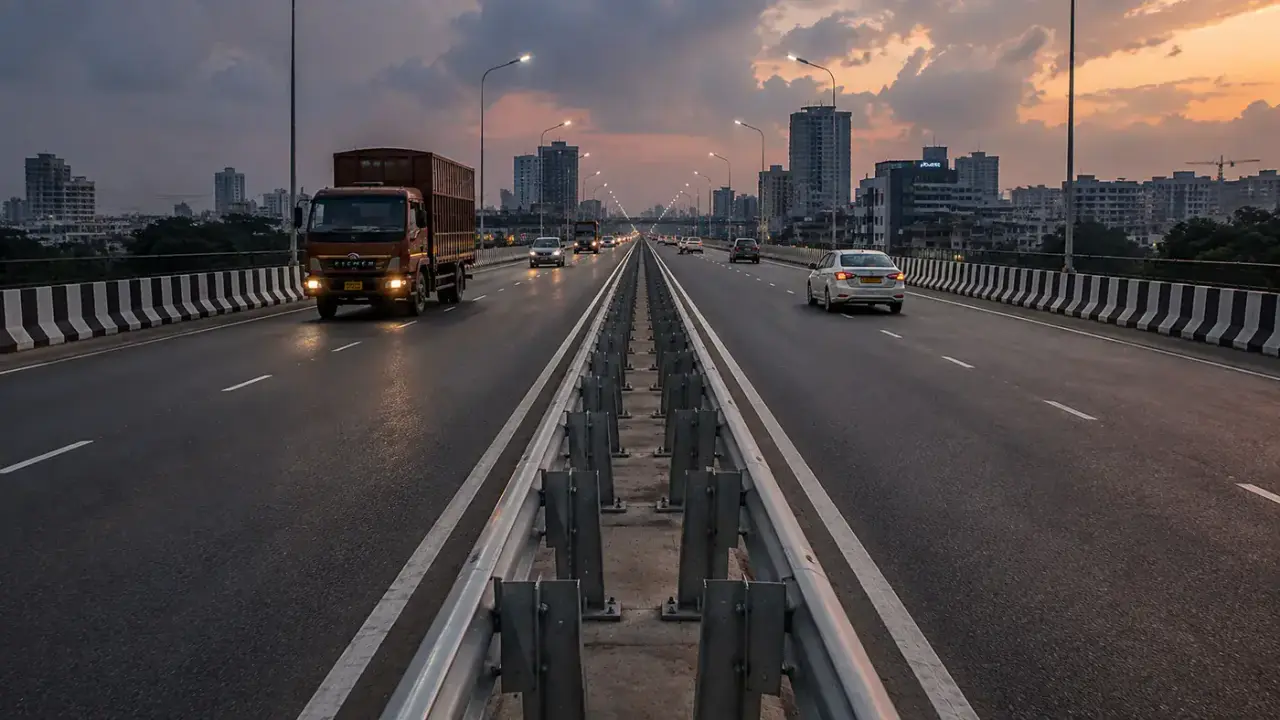
Urban and elevated expressway median containment.
Alternative names

Interchange ramps and flyover junction protection.
Alternative names

Heavy freight and logistics highway median barriers.
Alternative names
Key features and product advantages of our Double W Beam Crash Barriers Manufacturers
Quality certifications that ensure premium product quality
Official company certifications for quality, environment, safety, energy and manufacturing compliance
Quality Certification
View CertificateEnvironmental Certification
View CertificateHealth & Safety Certification
View CertificateEnergy Certification
View CertificateEuropean Conformity
View CertificateManufacturing Certification
View CertificateOur Double W Beam Crash Barriers Manufacturers is available and exported to 20+ worldwide
Real-time statistics showcasing our product excellence
Our Double W Beam Crash Barriers are manufactured through a controlled, quality-driven process to ensure maximum strength, durability, and compliance with national and international road safety standards.
High-quality hot rolled steel coils or sheets (as per IS 5986 / ASTM A36 / EN standards) are procured. The steel must meet specified yield strength, thickness, and chemical composition requirements to ensure impact resistance and durability.
Incoming steel coils are inspected for thickness tolerance, surface defects, and mechanical properties. Only approved and tested raw material is released for production.
Steel coils are mounted on decoilers and straightened. Sheets are then cut to required lengths using shearing or slitting machines based on the standard W-beam size.
Cut steel sheets are passed through a precision roll-forming line where they are shaped into the Double W (Thrie Beam / W-Beam) profile. This step ensures accurate wave geometry, uniform thickness, and consistent strength along the beam.
Computer-controlled punching machines create bolt holes and slots for spacer blocks and posts. This allows easy installation and proper alignment at site.
Edges are trimmed and deburred to remove sharp corners. This enhances worker safety, product aesthetics, and coating adhesion.
Formed W-beams are galvanized using the hot dip galvanizing process as per IS 2629 / IS 4759 / ASTM A123. This provides uniform zinc coating, high corrosion resistance, and long service life in harsh weather conditions.
Zinc coating thickness is measured using calibrated gauges to ensure compliance with standards. Visual checks are done for smooth finish, no bare spots, and proper adhesion.
Post-galvanization, beams are straightened if required and undergo final inspection for dimensions, hole alignment, coating quality, and overall finish.
Approved crash barriers are stacked properly, bundled with protective spacers, and labeled with batch number, size, and standard reference. This prevents damage during transportation.
Finished Double W Beam Crash Barriers are dispatched as per customer or project requirements to Highways & Expressways, Urban Roads, and Bridges & Flyovers.
Answers about this product from YNM Safety—manufacturing, standards, supply, and support.
YNM Safety is among the leading double W beam crash barrier manufacturers in India, manufacturing dual-rail metal beam crash barriers for high-risk highways, medians and bridge approaches on NHAI, PWD and EPC packages.
Double W-beam systems stack two W-beam rails (typically on the same post line) to increase lateral strength and containment compared to single W-beam installations — a preferred choice among metal beam crash barrier manufacturers for higher containment zones.
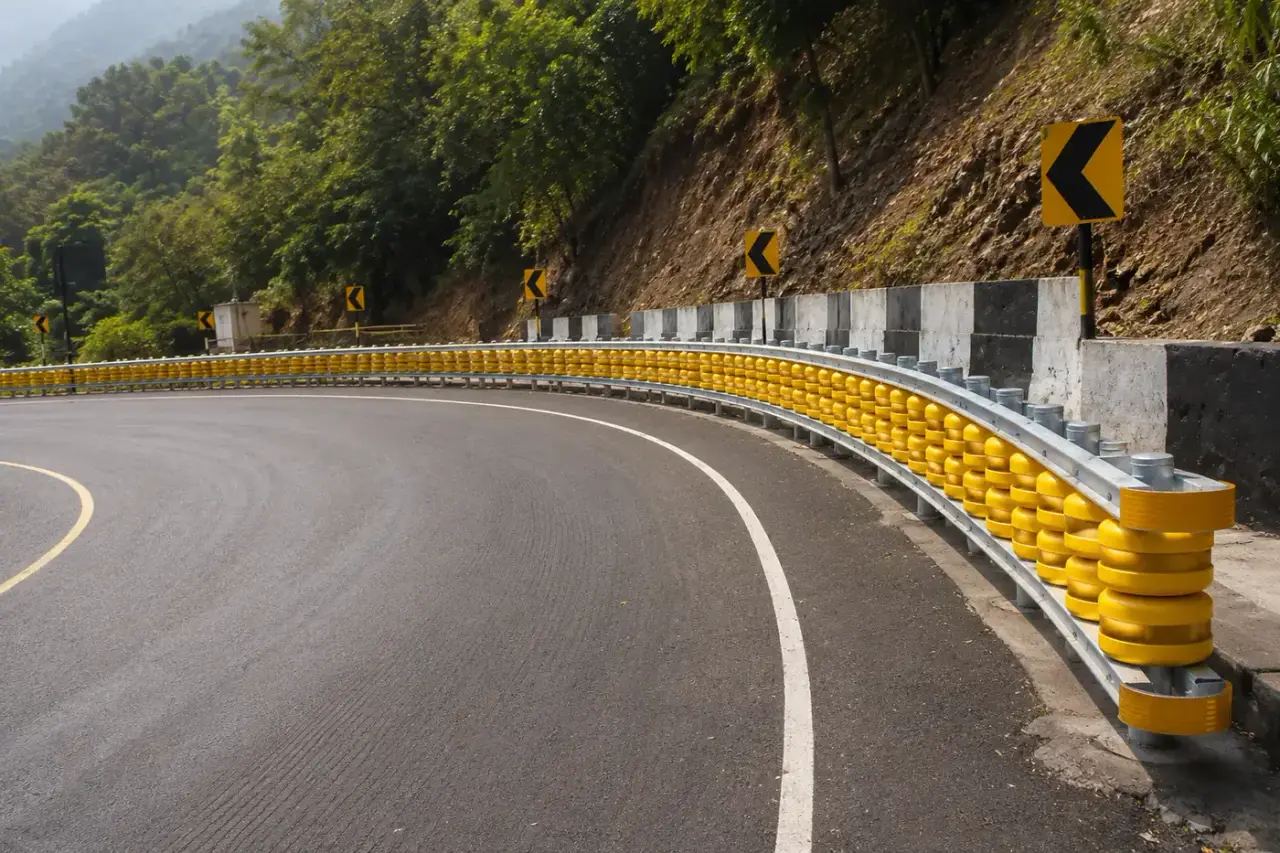
They are used on high-risk stretches, sharp curves, medians, or bridge approaches where highway crash barriers manufacturers and designers require higher energy absorption than single W-beam, per project design.
Yes. As crash barrier manufacturers, YNM Safety provides coordinated manufacturing of rails, posts, spacers, and connection hardware as per approved drawings.
Barrier runs often require cutting, camber, and radius details. Share your alignment drawings for fabrication planning.
Lead time depends on order size, galvanizing slots, and logistics. YNM Safety confirms timelines after technical review.